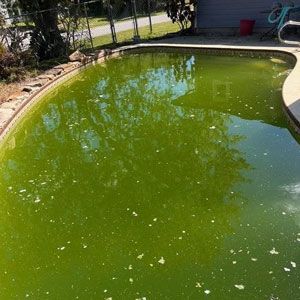


Why Weekly Pool Service Matters More Than You Think Living in Brevard County means we get to enjoy our pools nearly year-round—but Florida weather can also be brutal on pool water. Heat, sunshine, afternoon rain, heavy swimming, leaves, pollen, and algae can change your pool chemistry quickly. That’s why weekly pool maintenance isn’t just about making the water look pretty. It’s about protecting your pool, your equipment, and your investment. A pool can look crystal clear and still have chemistry problems developing beneath the surface. Chlorine can drop, pH can climb, stabilizer can become too high or too low, phosphates can build up, and filtration problems can go unnoticed. By the time the water turns cloudy or green, the problem may already require considerably more work and expense to correct. At Premier Coastal Pool Services , weekly service means much more than throwing some chlorine in the water and leaving. During regular service, we monitor and maintain the things that keep your pool healthy: water chemistry, chlorine and pH levels, brushing, skimming, vacuuming as needed, filtration, baskets, circulation, and the general condition of your pool equipment. We also keep an eye out for leaks, equipment problems, algae growth, unusual water loss, and other warning signs before they become expensive surprises. Prevention Is Cheaper Than Recovery One of the biggest mistakes pool owners make is waiting until something goes wrong. A neglected pool may eventually require additional chemicals, repeated cleanup visits, filter cleaning or replacement, draining and refilling, equipment repairs, or even algae-removal treatments. Think of weekly pool service like changing the oil in your vehicle. You could skip it for a while and everything might appear fine—but eventually the bill for ignoring routine maintenance can become much larger than the cost of preventing the problem. Florida Pools Don't Take Weeks Off Our heat and sunshine cause chlorine to work hard. Heavy rain can dilute chemicals and upset water balance. High swimmer loads add contaminants to the water. Leaves, pollen, landscaping debris, and phosphates can create additional challenges. Your pool chemistry doesn't know you're busy. It doesn't care that you're on vacation. And algae certainly doesn't take the weekend off. That's where consistent weekly service makes the difference. More Than a Clean Pool Professional pool service should provide something else that's just as valuable: peace of mind. Instead of spending your weekend testing water, buying chemicals, brushing walls, cleaning filters, and trying to figure out why the pool suddenly looks different, you should be able to walk outside and enjoy it. At Premier Coastal Pool Services , our goal is to identify small problems before they become large ones and keep your pool clean, clear, balanced, and ready to enjoy. This Week's Pool Tip Don't judge your pool only by how clear the water looks. Clear water does not necessarily mean properly balanced water. Have your chemistry checked regularly and pay attention to chlorine, pH, alkalinity, stabilizer, filtration, and circulation. A beautiful pool is the result of consistent maintenance—not luck. If you're tired of spending your weekends working on your pool, or you're constantly battling cloudy water, algae, or chemical problems, give Premier Coastal Pool Services a call. You have options. Let us sweat so you don't have to.