

PHOSPHATES: Who invited algae to the pool party?
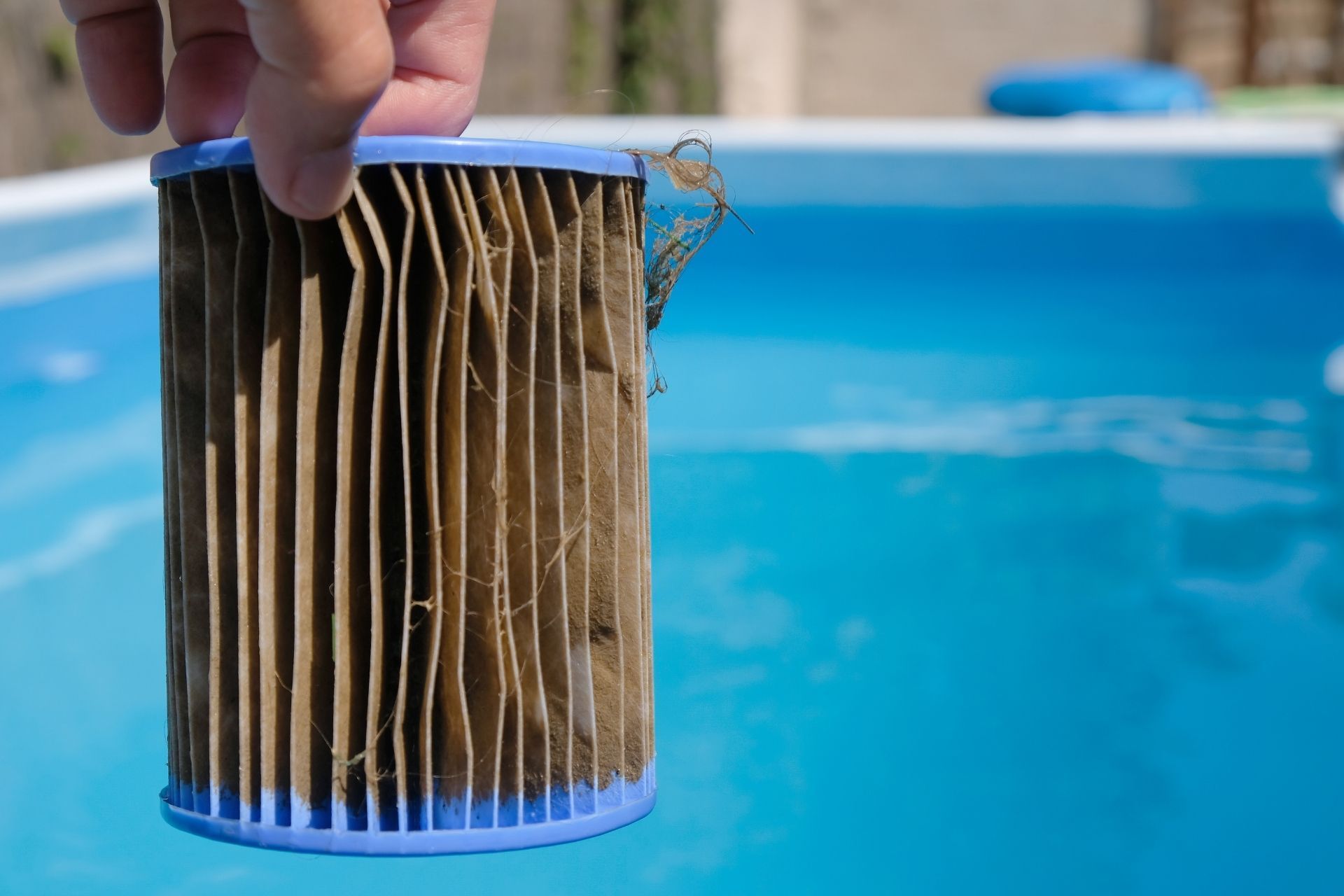
Here's something every Brevard County pool owner should know: You can have perfectly balanced chemicals and STILL have a cloudy swimming pool! How is that possible? Simple. Your pool filter might not be doing its job! Think about it. Your filter works day after day, trapping dirt, pollen, leaves, dead algae, and all the other unwanted visitors that find their way into your swimming pool. And here in Brevard County, Mother Nature certainly knows how to keep our filters busy! With October bringing changing weather patterns, gusty winds, and occasional storms, your filtration system can face some serious challenges. What Does Your Pool Filter Actually Do? Your pool filter has one primary responsibility: remove unwanted particles from the water as it circulates through the system. While chlorine helps sanitize your pool, the filter physically removes suspended debris. They work together. Without adequate filtration, your swimming pool can become cloudy, circulation can suffer, and maintaining proper water quality becomes more difficult. It's like washing your dishes with dirty water. Eventually, something's going to look pretty nasty! Five Warning Signs Your Filter Needs Attention Your pool water looks cloudy. If your chemicals are properly balanced but the water remains cloudy, poor filtration could be contributing to the problem. Your filter pressure is unusually high. As filters collect dirt and debris, resistance to water flow increases. A common guideline is to clean the filter when pressure rises approximately 8–10 PSI above its normal clean operating pressure, although manufacturer recommendations vary. Water circulation seems weaker than normal. If your return jets aren't pushing water as strongly as they usually do, something may be restricting circulation. This could involve the filter, skimmer baskets, pump basket, or another equipment issue. Your filter cartridges are deteriorating. Over time, cartridge pleats can become damaged, flattened, or difficult to clean. Eventually, replacement becomes necessary. Your pool keeps getting dirty unusually quickly. If debris remains suspended or water clarity doesn't improve after proper cleaning and chemical treatment, your filtration system deserves a closer look. Here's Something Many Homeowners Don't Realize A dirty filter doesn't necessarily mean you need a new filter. Sometimes a thorough cleaning is all that's required. However, cleaning a damaged or worn-out cartridge won't restore its original performance. That's why regular inspection matters. At Premier Coastal Pool Services, we routinely clean filters approximately every three to four weeks as part of our maintenance program, adjusting when conditions require additional attention. We also inspect pool equipment during weekly service. This Week's Pool Tip Take a look at your pool's filter pressure gauge! When your filter has just been cleaned, record its normal pressure reading with the pump operating at its usual speed. Check it periodically. If the pressure rises significantly above that baseline, it's time to investigate. Also, after windy weather, check your skimmer and pump baskets for accumulated debris. Important: Always shut off the pump before servicing equipment, and never open a pressurized filter tank. Follow the manufacturer's pressure-release instructions or have a qualified professional handle the work. Why Professional Weekly Maintenance Matters At Premier Coastal Pool Services, we don't believe maintaining a swimming pool means simply throwing chemicals into the water and hoping for the best. Our regular service includes: Weekly brushing, skimming, and vacuuming. Water testing and chemical balancing. Routine filter cleaning and inspection. Weekly equipment inspections. Monitoring water circulation and filtration. Phosphate treatment and other necessary water chemistry adjustments. Our goal is simple: Keep your pool clean, clear, properly balanced, and ready whenever you are! KNOW SOMEONE WITH A CLOUDY POOL? If you know a Brevard County homeowner who's constantly fighting cloudy water, weak circulation, or recurring filtration problems, we'd appreciate an introduction. If you're in Brevard County and your salt pool suddenly needs chlorine all the time, give us a call. Dan Jordan Premier Coastal Pool Services Residential & Commercial Pool Maintenance Proudly Serving Brevard County Since 2015 “Let us sweat so you don't have to.”

Learn how to spot salt cell problems, maintain chlorine levels, and keep your saltwater pool healthy with expert tips from Premier Coastal Pool Services in Brevard County.
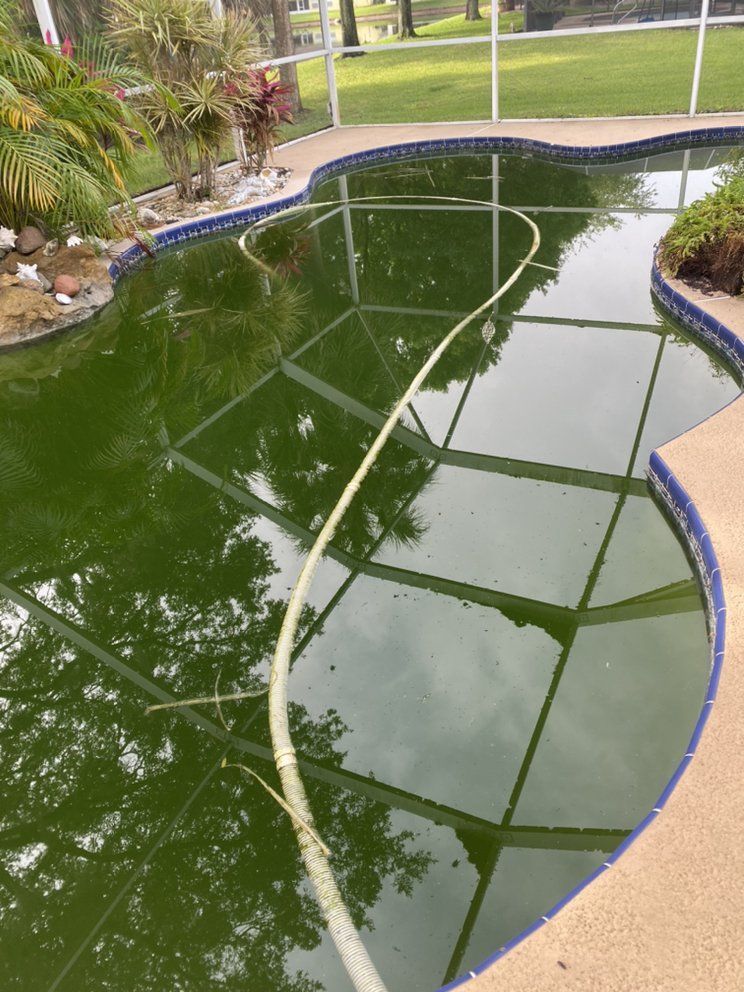
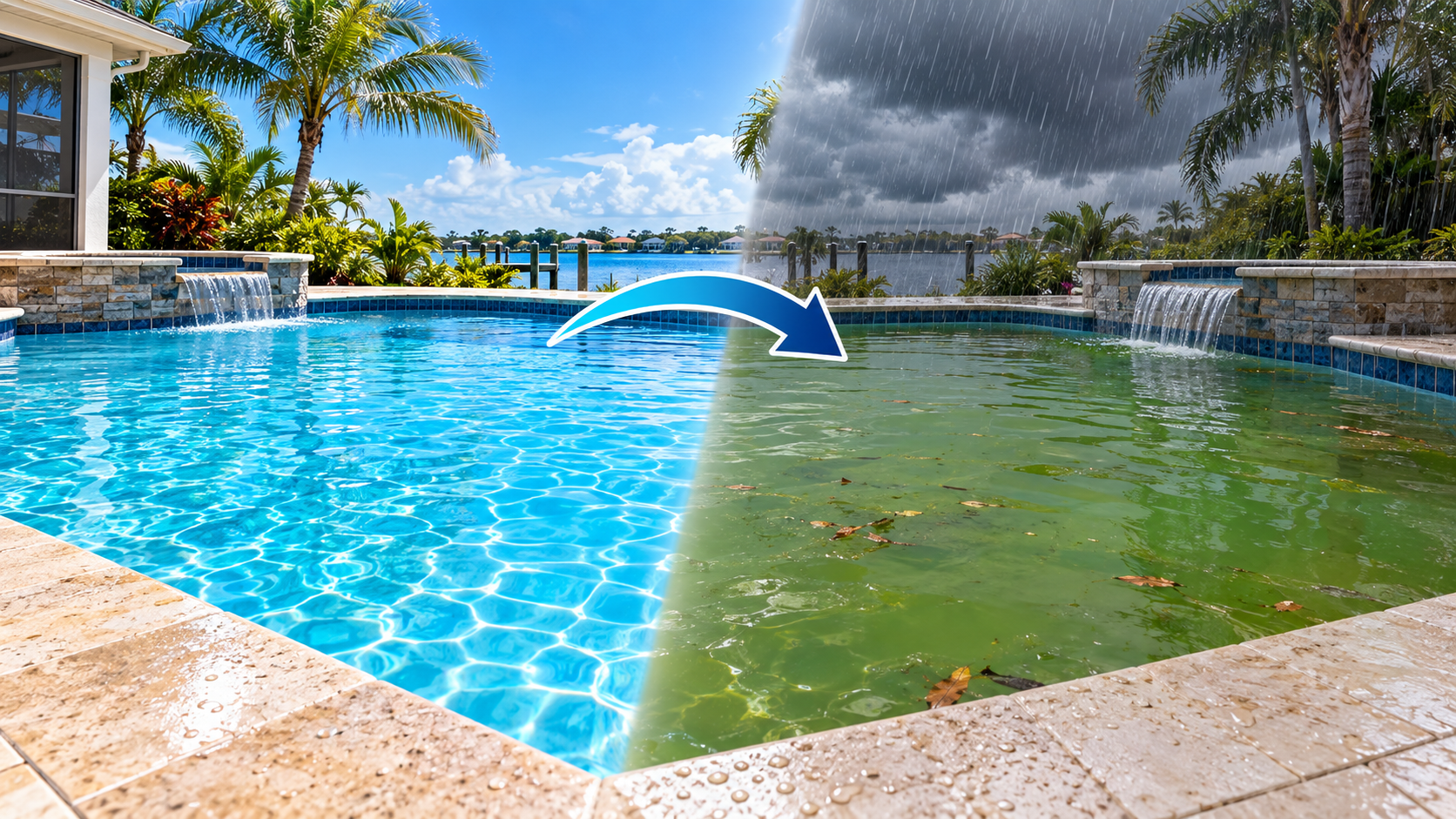
Learn how heavy rain affects pool chemistry, chlorine levels, and algae growth. Premier Coastal Pool Services provides expert pool maintenance in Brevard County, FL.
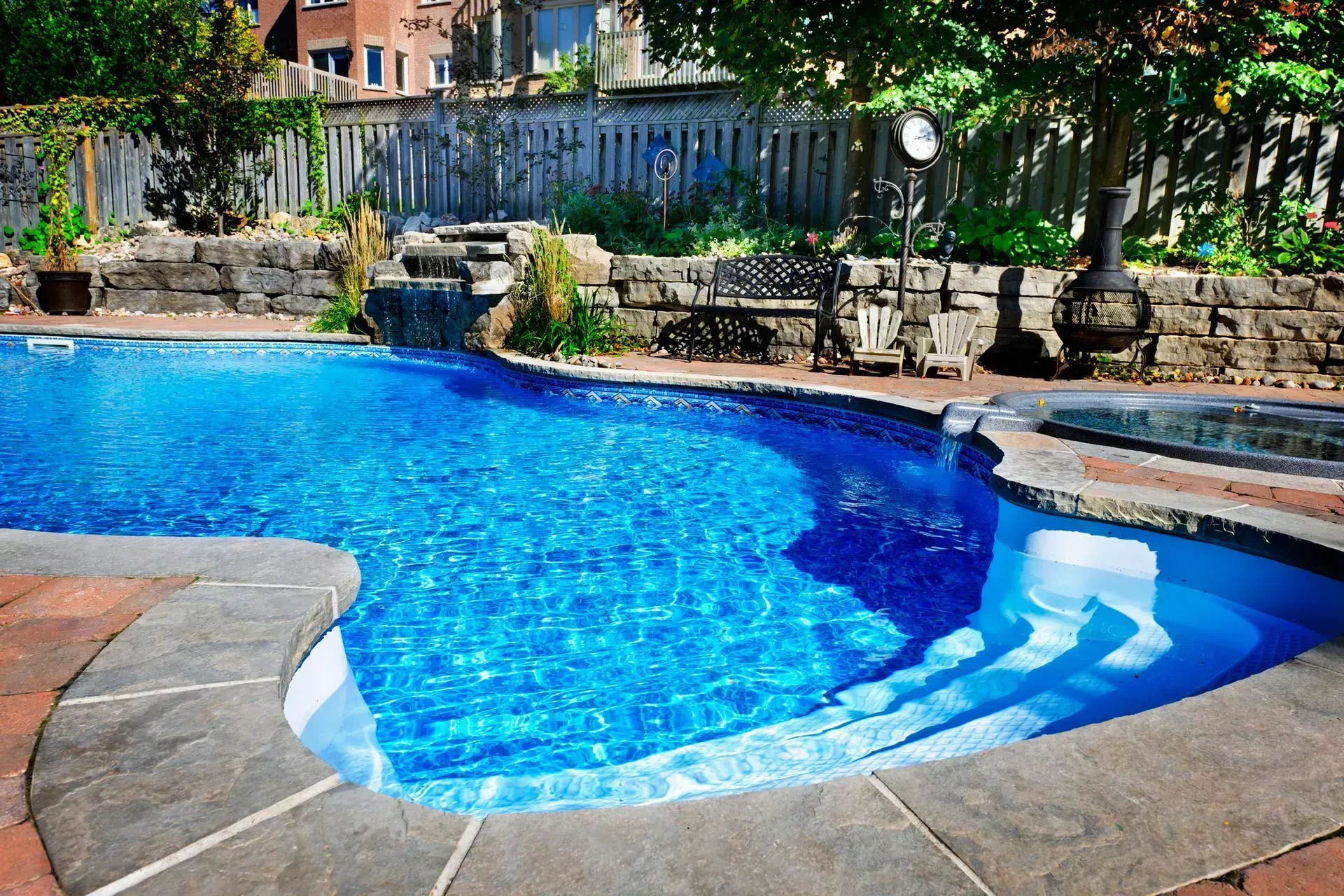
Learn how to identify pool leaks, distinguish water loss from evaporation, and perform the bucket test with tips from Premier Coastal Pool Services in Brevard County, FL.
Discover how heavy rain affects pool chemistry, chlorine levels, and algae growth. Get expert pool maintenance tips from Premier Coastal Pool Services in Brevard County, FL.
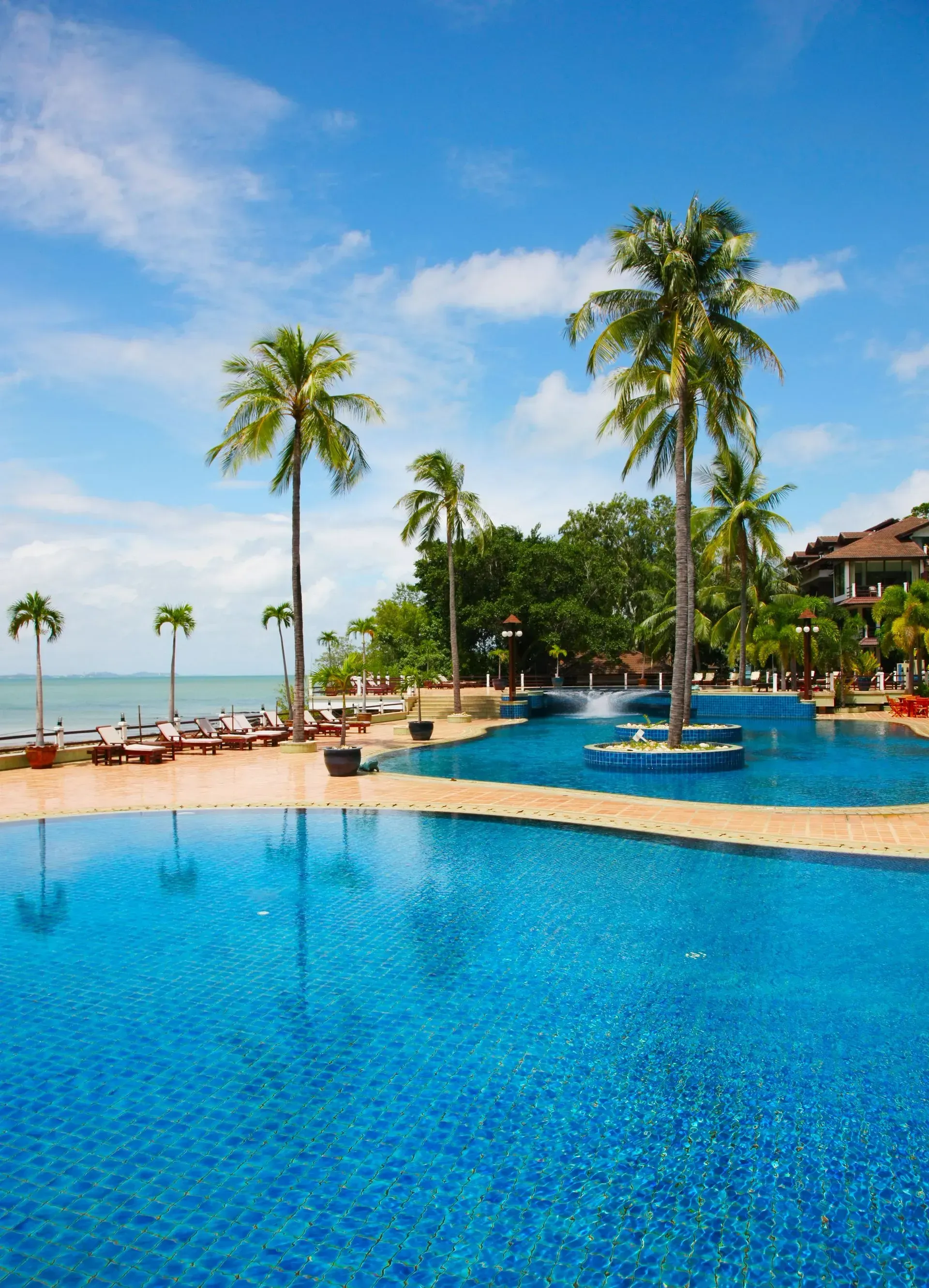
Learn how to maintain your pool filter, monitor pressure, and improve water circulation. Premier Coastal Pool Services offers expert pool maintenance in Brevard County, FL.
Keep your pool clean, clear, and balanced with weekly pool maintenance from Premier Coastal Pool Services. Prevent algae, protect equipment, and enjoy year-round swimming in Brevard County, FL.